Preserving Bozeman's Historic Architecture Through Paint
Restore Bozeman's historic buildings while keeping their authentic character. Lead paint safety, period-appropriate colors, and preservation techniques.
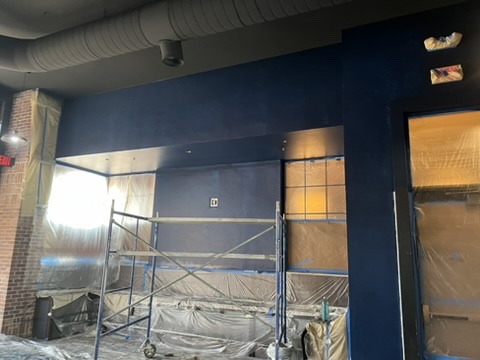
Bozeman’s historic buildings tell the story of Montana’s frontier past, from the Victorian storefronts along Main Street to the craftsman homes in the Bon Ton District. Preserving these architectural treasures through proper painting techniques isn’t just about aesthetics—it’s about protecting our community’s heritage for future generations.
Bozeman’s Architectural Heritage
Walking down Main Street in downtown Bozeman, you’re surrounded by over 150 years of Montana history. The brick and stone facades, ornate cornices, and distinctive storefronts represent some of the finest late 19th and early 20th-century commercial architecture in the Northern Rockies.
Historic Districts in Bozeman
Bozeman has several designated historic areas, each with unique architectural character:
- Main Street Historic District - The heart of downtown, featuring Victorian-era commercial buildings from the 1880s-1920s with distinctive Italianate, Romanesque, and early Modern styles
- Bon Ton Historic District - Residential neighborhood with Queen Anne, Colonial Revival, and Craftsman homes built between 1890-1930
- South Tracy/South Black District - Working-class neighborhood with vernacular Victorian cottages and early 20th-century bungalows
- Story Mansion Area - Grand Victorian and Edwardian homes showcasing Bozeman’s early prosperity
Architectural Styles You’ll Find in Bozeman
Each architectural style has specific paint considerations:
- Victorian (1880-1900) - Elaborate trim work requiring multi-color schemes; often 3-5 colors highlighting architectural details
- Queen Anne (1885-1905) - Complex facades with fish-scale shingles, spindle work, and varied textures needing careful color placement
- Colonial Revival (1900-1940) - Symmetrical designs with restrained color palettes, typically white or cream with dark shutters
- Craftsman/Bungalow (1910-1930) - Natural, earthy tones complementing stone or brick elements and exposed rafter tails
Challenges of Historic Preservation Painting
Painting a historic building isn’t the same as painting a modern home. The challenges are significant, but with proper expertise, the results are remarkably rewarding.
Lead Paint: The Hidden Hazard
Lead-based paint was standard in homes built before 1978. In Bozeman’s historic buildings, you’re almost certain to encounter multiple layers of lead paint accumulated over decades. This presents serious health and environmental concerns that require specialized handling.
Lead Paint Facts
- Lead paint was banned for residential use in 1978
- Homes built before 1940 have an 87% chance of containing lead paint
- Lead dust from improper removal is the primary exposure risk
- EPA RRP (Renovation, Repair, and Painting) Rule requires certified contractors
- Fines for non-compliance can exceed $37,500 per day per violation
Deteriorated Substrates
Century-old wood, brick, and metal require specialized preparation:
- Wood rot - Must be identified and repaired with compatible materials before painting
- Failing glazing putty - Historic windows need reglazing with proper oil-based putty
- Brick spalling - Moisture damage requires repair before any coating application
- Metal corrosion - Historic tin cornices and iron elements need proper rust treatment
Preservation Guidelines and Approvals
If your building is in a historic district or listed on the National Register, you’ll need to navigate approval processes. Big Sky Painting works closely with the Bozeman Historic Preservation Advisory Board and understands their requirements.
Period-Appropriate Color Selection
Choosing colors for a historic building requires research and sensitivity to the building’s era and style. Here’s how we approach historic color selection:
Paint Archaeology
We can uncover your building’s original colors through careful paint analysis:
- Identify areas protected from weathering (under eaves, behind shutters)
- Carefully scrape through paint layers to reveal color history
- Document each layer with photographs and notes
- Match original colors using spectrophotometer technology
Historic Color Collections
Major paint manufacturers offer historically accurate color collections:
- Benjamin Moore Historical Collection - 191 colors from America’s architectural past
- Sherwin-Williams Preservation Palette - Colors developed with historic preservation experts
- Farrow & Ball Archive Collection - British heritage colors popular in Victorian-era Montana
Era-Specific Color Guidelines
Victorian Era (1880-1900): Rich, deep colors were popular—dark greens, burgundies, ochre yellows, and chocolate browns. Multi-color schemes highlighted architectural details.
Colonial Revival (1900-1920): Return to restrained palettes with white, cream, and pale gray bodies; dark green, black, or burgundy shutters and accents.
Craftsman Era (1910-1930): Earthy, natural tones reflecting the Arts & Crafts philosophy—sage greens, warm browns, terracotta, and muted yellows.
Lead Paint Safety and EPA RRP Certification
Working with lead paint requires strict adherence to EPA regulations. Big Sky Painting is fully EPA RRP Lead-Safe Certified, ensuring your historic painting project is completed safely and legally.
Our Lead-Safe Process
- Pre-Project Testing - We test all surfaces for lead using EPA-approved methods
- Containment Setup - Plastic sheeting, warning signs, and restricted access protect your property and neighbors
- HEPA Filtration - All dust is captured with HEPA-filtered equipment
- Wet Methods - We mist surfaces to minimize dust during preparation
- Proper Waste Disposal - All lead-contaminated materials are disposed of according to regulations
- Final Cleaning - Thorough cleaning with HEPA vacuums and verified with clearance testing
Warning: DIY Lead Paint Removal
Never attempt to remove lead paint yourself through sanding, scraping, or heat guns. These methods create dangerous lead dust that can contaminate your home and pose serious health risks to your family, especially children. Always hire an EPA RRP-certified contractor.
Working with Historic Preservation Guidelines
Bozeman’s historic districts have specific guidelines that must be followed. Here’s what property owners need to know:
When Approval is Required
- Exterior color changes in designated historic districts
- Changes to character-defining features (trim, cornices, window details)
- Alterations to historic signage or storefronts
- Any work on individually listed National Register properties
What’s Typically Approved
- Repainting in existing or documented historic colors
- Period-appropriate color schemes based on architectural style
- Restoration of original color schemes through paint archaeology
- Maintenance painting that doesn’t alter appearance
Getting Approval
Big Sky Painting assists clients with the approval process, including:
- Researching appropriate color schemes for your building’s style and era
- Preparing color samples and documentation for board review
- Attending Historic Preservation Advisory Board meetings if needed
- Coordinating with the Bozeman Planning Department
Proper Surface Preparation for Historic Buildings
Surface preparation is even more critical on historic buildings than modern structures. Our approach prioritizes preservation:
The Preservation Mindset
Repair rather than replace. Original materials—even if damaged—have historic value. We repair wood, restore metalwork, and repoint brick whenever possible.
Lead-Safe Preparation Techniques
- Wet scraping - Misting surfaces before scraping minimizes dust
- Chemical strippers - Safer than sanding for lead paint removal
- Encapsulation - When appropriate, special primers seal lead paint in place
- Selective removal - Only disturbing paint where necessary for adhesion
Wood Repair and Restoration
Historic wood elements require specialized repair approaches:
- Epoxy consolidants strengthen deteriorated wood while maintaining original profiles
- Dutchman repairs replace only the damaged sections
- Custom millwork replicates missing architectural elements
- Wood fillers matched to historic species and grain patterns
Compatible Paint Products for Historic Structures
Modern paints can work well on historic buildings when chosen correctly. Here’s what we recommend:
For Historic Wood Siding and Trim
- Benjamin Moore Aura Exterior - Excellent adhesion, flexibility, and color retention
- Sherwin-Williams Duration - Self-priming with superior durability
- Fine Paints of Europe - Premium option for museum-quality restorations
For Historic Masonry
Brick and stone require breathable coatings that allow moisture to escape:
- Keim Mineral Paints - Silicate-based paints that bond chemically with masonry
- Lime wash - Traditional, breathable finish perfect for historic brick
- Clear water repellents - Protect without changing appearance
Never Use on Historic Masonry
- Elastomeric coatings - Trap moisture and cause spalling
- Standard latex paints - Don’t allow moisture vapor transmission
- Waterproof sealers - Cause freeze-thaw damage in Montana’s climate
Historic Restoration: Before & After
The transformation of a properly restored historic building is remarkable. Here are examples from our recent work in Bozeman:
1890s Victorian Commercial Building, Main Street
Challenge: Multiple incompatible paint layers, failing mortar, and deteriorated wood cornices.
Solution: Complete lead-safe paint removal, masonry repointing, cornice repair, and restoration to documented 1890s color scheme.
Result: Building now showcases its original Italianate details with a historically accurate three-color scheme of deep red, cream trim, and forest green accents.
1905 Queen Anne Home, Bon Ton District
Challenge: Previous owner had painted the entire exterior one color, obscuring the intricate millwork.
Solution: Paint archaeology revealed original five-color scheme. Careful preparation and skilled application highlighted fish-scale shingles, spindle work, and decorative brackets.
Result: Home restored to period-appropriate palette of sage green, burgundy, gold, cream, and chocolate—a stunning example of Victorian craftsmanship.
Big Sky Painting’s Historic Expertise
Our team brings specialized knowledge to every historic preservation project:
- EPA RRP Lead-Safe Certified - Full compliance with federal lead paint regulations
- Historic preservation training - Understanding of period-appropriate techniques and materials
- 15+ years in Montana - Experience with local historic districts and preservation boards
- Craftsman approach - Skilled in restoring original details, not covering them up
- Documentation - Complete records for future preservation efforts
Restore Your Historic Property with Confidence
Big Sky Painting specializes in historic preservation painting throughout Bozeman and the surrounding 75-mile area. From Main Street storefronts to Victorian residences, we bring expertise, care, and EPA-certified safety practices to every project.
Call (406) 508-5903 or view our Historic Services
EPA RRP Lead-Safe Certified | 15+ Years Experience | Free Historic Assessments
Frequently Asked Questions
Do I need a special permit to paint a historic building in Bozeman?
If your building is in Bozeman's designated historic districts (Main Street, Bon Ton, South Tracy/South Black) or is individually listed on the National Register, you'll need approval from the Historic Preservation Advisory Board for exterior paint color changes. Interior painting typically doesn't require approval unless it affects character-defining features.
How do I know if my historic home has lead paint?
Any home built before 1978 should be assumed to have lead paint until tested. Professional testing using EPA-approved XRF analyzers or lab analysis provides definitive results. Big Sky Painting is EPA RRP Lead-Safe Certified and includes lead testing as part of our historic restoration assessments.
What colors were historically used on Victorian homes in Bozeman?
Victorian-era Bozeman homes (1880s-1900s) typically featured rich, saturated colors. Popular body colors included deep reds, olive greens, and ochre yellows. Trim was often painted in contrasting cream, dark green, or burgundy. We can perform paint archaeology to uncover your home's original color scheme.
How much does it cost to paint a historic building in Bozeman?
Historic building painting in Bozeman typically costs $15,000-$50,000 for exterior work, depending on size, condition, and lead paint presence. The higher cost reflects lead-safe work practices, specialized surface preparation, premium materials, and attention to architectural details. Interior historic restoration ranges from $5,000-$25,000.
Can modern paint be used on historic buildings?
Yes, but product selection is crucial. Modern high-quality latex paints work well on most historic wood surfaces. For historic masonry, use breathable mineral-based paints that allow moisture to escape. Avoid elastomeric coatings that can trap moisture. We use Benjamin Moore Aura, Sherwin-Williams Duration, and specialty historic formulations.