Historic Restoration Painting
Preserving Montana's architectural heritage with authentic restoration
Preserving Montana's Architectural Legacy
Montana's historic buildings tell the story of the American West—from frontier trading posts to Victorian mansions, from early mining structures to railroad depots. These architectural treasures require specialized restoration expertise that honors their original character while providing modern protection.
Big Sky Painting brings decades of historic restoration experience to Montana's heritage buildings, combining traditional craftsmanship with advanced preservation techniques to ensure these landmarks endure for future generations.
Period Authenticity
Historically accurate colors and application techniques
Preservation Compliance
National Register and local historic district standards
Advanced Analysis
Paint archaeology and scientific color matching
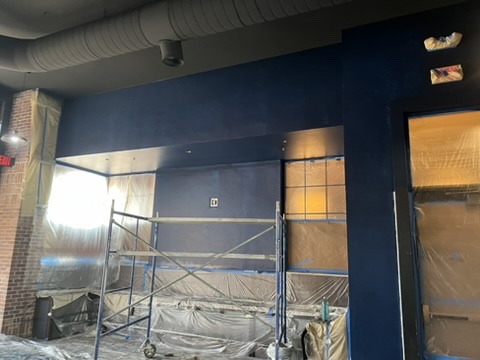
Historic Restoration Process
Historical Assessment
Comprehensive building analysis including architectural documentation, historical research, and condition assessment to develop an authentic restoration plan.
Paint Archaeology
Scientific analysis of existing paint layers using microscopy and spectral analysis to determine original color schemes and application methods.
Preservation Planning
Development of detailed restoration specifications that meet preservation standards while addressing modern protection needs.
Specialized Preparation
Careful surface preparation using methods appropriate for historic materials, including lead-safe practices and minimal-impact techniques.
Authentic Application
Traditional painting techniques using period-appropriate tools and methods, combined with modern protective systems where appropriate.
Documentation & Warranty
Complete project documentation for preservation records, plus comprehensive warranty coverage for the restoration work.
Montana's Historic Building Heritage
🏕️ Frontier Era (1860s-1880s)
Log construction, board-and-batten siding, natural wood finishes, and earth-tone mineral paints derived from local materials.
🚂 Railroad Era (1880s-1910s)
Victorian and Queen Anne styles, elaborate color schemes, decorative millwork, and the introduction of manufactured paints.
🏛️ Early 20th Century (1900s-1930s)
Arts and Crafts, Colonial Revival, and Art Deco influences with sophisticated paint systems and color palettes.
🏠 Mid-Century (1930s-1950s)
Streamline Moderne, Ranch style, and post-war residential construction with modern paint technologies.
Traditional Painting Techniques
Period-Appropriate Methods
- ✓ Hand-Brushed Application - Traditional brush techniques replicating original methods
- ✓ Decorative Finishes - Stenciling, faux finishing, marbleizing, woodgraining
- ✓ Limewash & Mineral Paints - Traditional lime-based systems with natural breathability
- ✓ Multi-Color Schemes - Complex Victorian-era color schemes with precise application
Specialty Materials
- ✓ Period Paints - Historically accurate formulations and colors
- ✓ Lead-Safe Alternatives - Modern safe paints matching historic appearance
- ✓ Consolidants - Wood and masonry stabilizers for deteriorated materials
- ✓ Protective Coatings - Reversible protective systems for long-term preservation
Historic Restoration Services
🔍 Paint Analysis & Research
Scientific analysis of existing paint layers to determine original color schemes and historically appropriate restoration approaches.
🏛️ Exterior Restoration
Complete exterior restoration using traditional methods and historically accurate materials while providing modern weather protection.
🎨 Interior Restoration
Authentic interior finishes including decorative painting, stenciling, and specialty techniques used in historic periods.
🔧 Structural Preparation
Specialized surface preparation techniques that preserve historic fabric while creating optimal paint adhesion.
Preserve Montana's Architectural Heritage
Get your professional historic restoration consultation and preservation planning services.
Before planning scope, review our expert guidance on choosing a Montana contractor for complex restoration work.
🏛️ Preservation Guarantee: Authentic restoration that honors Montana's architectural legacy while meeting modern standards.
Frequently Asked Questions
What is historic restoration painting?
Historic restoration painting involves using period-appropriate colors, traditional application techniques, and materials that match the original construction era. We research historical color palettes, use historically accurate paint formulations, and follow preservation standards to maintain architectural integrity.
Do you work on buildings listed on the National Historic Register?
Yes, we have experience working on National Historic Register properties and understand the compliance requirements. We can provide documentation for historic preservation tax credits and work with preservation committees to ensure all work meets their standards.
How do you match historical paint colors?
We use multiple methods to match historical colors: paint chip analysis from original layers, historical color research from the building's era, consultation with preservation organizations, and modern color matching technology. We can recreate authentic colors or suggest historically appropriate alternatives.
What types of historic buildings do you restore?
We restore Victorian homes, Craftsman bungalows, mid-century modern buildings, commercial historic structures, churches, schools, and public buildings. We have particular experience with Bozeman's historic downtown buildings and Livingston's Victorian architecture.
Is historic restoration more expensive than regular painting?
Historic restoration typically costs 20-40% more than standard painting due to the research required, specialized materials, traditional techniques, and attention to detail. However, this investment preserves architectural heritage and often qualifies for historic preservation tax incentives.