Painting Historic Homes in Bozeman: Preservation Guide
Guide to painting historic homes in Bozeman MT: color selection, lead-safe practices, period-appropriate finishes, and architectural integrity.
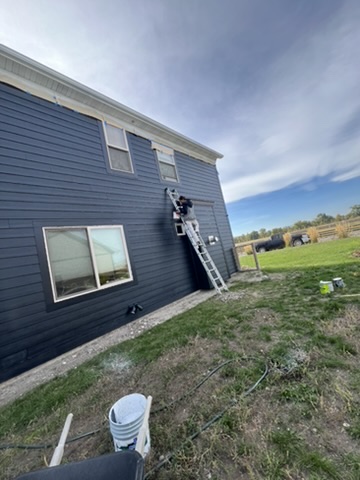
Bozeman’s historic neighborhoods showcase architectural gems from the 1880s through the 1960s. From Victorian mansions on Willson Avenue to Craftsman bungalows in the Bon Ton District, these homes tell the story of Bozeman’s growth. Painting a historic home requires specialized knowledge to preserve architectural integrity while protecting against Montana’s harsh climate.
Understanding Bozeman’s Historic Architecture
Bozeman’s historic districts feature several distinct architectural styles, each with unique painting considerations:
Victorian Era (1880s-1910s)
- Characteristics: Ornate trim, decorative brackets, multiple colors
- Color Palette: Bold, contrasting colors - deep reds, greens, blues with cream or white trim
- Paint Type: Traditional oil-based or modern acrylic with gloss finish on trim
Craftsman Bungalow (1905-1930s)
- Characteristics: Exposed rafters, tapered columns, built-in details
- Color Palette: Earth tones - olive, sage, brown, tan with contrasting trim
- Paint Type: Matte or eggshell finish to highlight natural materials
Mid-Century Modern (1945-1965)
- Characteristics: Clean lines, large windows, minimal ornamentation
- Color Palette: Atomic age colors - turquoise, coral, yellow, gray
- Paint Type: Flat or satin finish for smooth surfaces
Lead Paint Safety for Historic Homes
Any home built before 1978 may contain lead paint. In Bozeman’s historic districts, this affects a significant portion of housing stock.
Federal Requirements
The EPA’s Renovation, Repair, and Painting (RRP) Rule requires:
- EPA Lead-Safe certification for contractors
- Containment of work areas
- Prohibition of open-flame burning or torching
- Prohibition of power sanding without HEPA filtration
- Thorough cleaning verification after work
Big Sky Painting is EPA RRP Lead-Safe certified and follows all federal guidelines when working on historic properties.
Testing for Lead
Before starting any project:
- Purchase an EPA-approved lead test kit
- Test all painted surfaces, especially windows, doors, and trim
- If lead is present, hire an EPA-certified contractor
- Notify neighbors if exterior work will disturb lead paint
Color Selection for Historic Homes
Choosing historically appropriate colors enhances your home’s authenticity and value.
Research Resources
- Bozeman Historic Preservation Advisory Board - Local guidelines and resources
- National Park Service Preservation Briefs - Technical guidance on historic paint colors
- Historic American Buildings Survey (HABS) - Documentation of historic structures
- Paint chip analysis - Laboratory analysis of original paint layers
Popular Historic Color Schemes for Bozeman
Victorian Palette:
- Body: Deep red, forest green, or navy blue
- Trim: Cream, white, or gold
- Accents: Burgundy, hunter green, or black
Craftsman Palette:
- Body: Olive, sage, or tan
- Trim: Dark brown or cream
- Accents: Rust, mustard, or deep green
Mid-Century Palette:
- Body: Turquoise, coral, or gray
- Trim: White or black
- Accents: Yellow, orange, or atomic pink
Surface Preparation for Historic Homes
Historic homes often have multiple layers of paint, requiring careful preparation:
Paint Layer Analysis
Before stripping, identify what you’re removing:
- Original paint (bottom layer) - Often linseed oil-based, may contain lead
- Early repaint (middle layers) - May be oil-based or early latex
- Modern paint (top layer) - Usually acrylic latex
Safe Paint Removal Methods
- Chemical strippers - Safer than sanding for lead paint
- Heat guns - Use cautiously, avoid temperatures that vaporize lead
- Scraping - Manual removal with proper PPE
- Never sandblast - Damages wood and creates lead dust
Wood Repair vs. Replacement
Preserve original materials whenever possible:
- Epoxy fillers - Repair rotted wood in place
- Dutchman patches - Replace small damaged sections
- Consolidants - Stabilize deteriorated wood
- Replacement - Only when damage is extensive
Painting Techniques for Historic Details
Historic homes feature intricate details requiring specialized techniques:
Ornate Trim and Moldings
- Use high-quality brushes (2-2.5 inch angled sash)
- Paint in the direction of the wood grain
- Maintain wet edges to avoid lap marks
- Apply multiple thin coats rather than one thick coat
Decorative Brackets and Corbels
- Remove if possible for thorough painting
- Use artist brushes for detailed areas
- Consider hiring specialists for gilding or faux finishes
Windows and Doors
- Remove hardware for separate painting
- Paint sash and frame separately
- Use sash windows paint for smooth operation
- Avoid painting weatherstripping
Cost Considerations for Historic Home Painting
Painting historic homes typically costs 30-50% more than standard homes due to:
Additional Prep Work
- Lead-safe containment setup
- Multiple paint layer removal
- Extensive wood repair and consolidation
- Custom scaffolding for ornate details
Specialized Materials
- Period-appropriate paints (often more expensive)
- Lead encapsulation primers
- Epoxy repair compounds
- Custom color matching
Labor Intensity
- Detailed brushwork on ornate trim
- Careful masking to protect original features
- Extended timeline for proper curing between coats
- Multiple inspections for quality control
Maintaining Your Historic Home’s Paint
Proper maintenance extends the life of your paint job:
Annual Inspection
- Check for peeling, cracking, or blistering
- Inspect caulk around windows and doors
- Look for water damage or wood rot
- Document changes with photographs
Touch-Up Protocol
- Keep leftover paint for repairs
- Clean surfaces before touching up
- Feather edges to blend with existing paint
- Address issues promptly to prevent larger problems
Repainting Timeline
- Exterior: 7-10 years with quality paint
- Trim: 5-7 years due to sun exposure
- Interior: 10-15 years in low-traffic areas
Working With Bozeman’s Historic Preservation Board
If your home is in a designated historic district:
- Contact the Historic Preservation Advisory Board before starting exterior work
- Submit color samples for approval if required
- Schedule a pre-work inspection if major changes are planned
- Follow guidelines for materials and methods
- Document your work with before and after photos
Why Choose Big Sky Painting for Historic Homes
Big Sky Painting brings specialized expertise to historic home projects:
- EPA RRP Lead-Safe Certification
- Historic preservation training
- Period color consultation
- Traditional and modern paint expertise
- Wood repair and consolidation skills
- Scaffolding and access equipment
- Insurance coverage for historic properties
Get a Free Historic Home Painting Estimate
Every historic home is unique. Contact Big Sky Painting for a comprehensive assessment of your property’s painting needs.
Call (406) 508-5903 or schedule online for a free consultation. We’ll evaluate your home’s condition, discuss color options, and provide a detailed estimate that respects your budget and your home’s heritage.
Big Sky Painting serves Bozeman’s historic districts including the Bon Ton District, Willson Avenue, and all National Register properties throughout Gallatin County.
Frequently Asked Questions
Do I need permission to paint my historic home in Bozeman?
If your home is in a designated historic district or listed on the National Register of Historic Places, you may need approval from the Bozeman Historic Preservation Advisory Board for exterior color changes. Always check with the city before starting work.
How do I know if my historic home has lead paint?
Homes built before 1978 may contain lead paint. Purchase an EPA-approved lead test kit from a hardware store, or hire a certified lead inspector. If lead is present, federal law requires EPA RRP-certified contractors for renovation work. Big Sky Painting is EPA Lead-Safe certified.
What colors are appropriate for historic homes?
Period-appropriate colors depend on your home's architectural style. Victorian homes (1880s-1910s) used bold, contrasting colors. Craftsman bungalows (1905-1930s) favored earth tones. Mid-century modern homes (1945-1965) used atomic age colors. Research your home's era for authentic palettes.
Should I use modern paint on a historic home?
Modern acrylic latex paints work well on most historic homes if surfaces are properly prepared. However, for homes built before 1940, consider traditional paints like milk paint or linseed oil-based formulations, which breathe better and are more historically accurate.
How much does it cost to paint a historic home?
Historic home painting in Bozeman costs $5,000-$15,000+ due to specialized prep, lead-safe practices, and detailed work. Factors include home size, condition, scaffolding needs, and whether custom color matching is required. The investment preserves your home's value and architectural integrity.